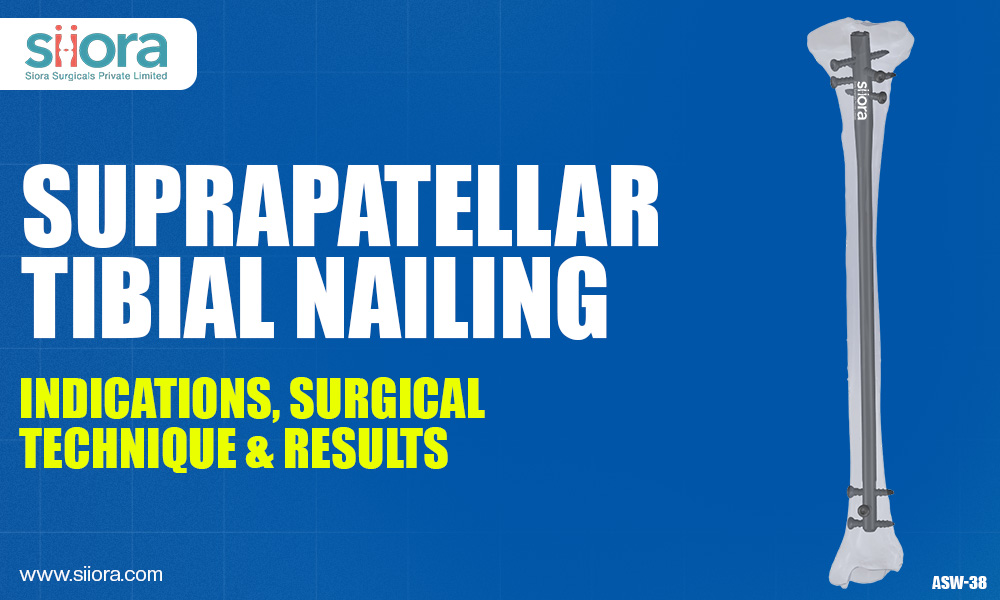
Tibial fractures—breaks in the shinbone—are common injuries, especially among active individuals or those involved in trauma. Over the years, surgeons have developed various ways to fix these fractures, with intramedullary nailing (inserting a metal rod inside the bone) becoming a popular choice. One technique that has gained traction recently is suprapatellar tibial nailing, which involves entering through the area just above the kneecap (patella).
When is Suprapatellar Nailing the Right Choice?
You might wonder why surgeons sometimes choose the suprapatellar approach instead of the traditional entry below the kneecap. This method is particularly helpful when the fracture is near the top or bottom of the tibia, where aligning the bone parts can be tricky. It’s also a safer option if the skin or soft tissue below the kneecap is damaged or tender, making an entry there less ideal.
Another advantage? It works well for complex fractures that involve multiple pieces or segments of the shinbone. Basically, if the fracture poses challenges in maintaining alignment or involves delicate nearby tissues, suprapatellar nailing comes into play.
How Does Surgery Using This Technique Work?
During the procedure, the patient lies on their back with the knee bent just slightly, making it easier for the surgeon to work without fully bending the leg. A small cut is made just above the kneecap, and the surgeon carefully navigates through the soft tissues to reach the entry point at the top of the shinbone.
A protective sleeve is used to shield the knee joint during the process. This is important—it helps avoid damage to the cartilage when the nail is passed through. Surgeons then insert a guidewire into the bone’s central canal. With X-ray guidance, they ensure the wire is precisely placed, which is crucial for the fracture to heal correctly.
Next comes the reaming step—basically widening the canal to accommodate the metal rod. The rod (nail) is inserted carefully, maintaining the proper position of the broken bone pieces. Finally, screws are placed on both ends of the nail to lock everything securely. Surgeons sometimes add extra screws or devices depending on how complex the break is, making sure the bone stays stable as it heals.
What Do Patients Experience After Surgery?
You might be curious about how patients fare after this kind of surgery. The good news is that suprapatellar nailing tends to have excellent outcomes. Many studies report that fractures heal well with minimal issues related to bone alignment. Because surgeons can operate with the leg partially extended, it’s often easier to get the bone positioned just right.
One common concern with tibial nailing, regardless of technique, is anterior knee pain. This sometimes happens when the nail is inserted below the kneecap, but interestingly, the suprapatellar approach doesn’t seem to increase this risk. Patients often resume normal activities without the nagging knee discomfort seen in some other procedures.
Additionally, because the entry point is above the kneecap, surgeries can be quicker and less traumatic to the soft tissues below the knee. This means patients get back on their feet sooner, with fewer complications related to wound healing or infection.
Wrapping It Up
Suprapatellar tibial nailing offers a modern and effective way to treat challenging shinbone fractures. It’s especially useful when the break is near the ends of the bone or when traditional approaches aren’t ideal. Thanks to advances in surgical technique and instrumentation, patients benefit from strong fixation, quicker recovery, and often less discomfort.Are you looking to partner with a reliable orthopaedic implant company in Ukraine? Contacting Siora Surgicals Pvt. Ltd. might end your search.
 Site Title